ISO 9001
CE Certified
Make In India
Diagnostics
GLUCOMETER
Values below 100 mg/dL (5.6 mmol/L) must be within $\pm$15 mg/dL of the laboratory reference....
Key Highlights
- Values below 100 mg/dL (5.6 mmol/L) must be within $\pm$15 mg/dL of the laboratory reference.
- Values at or above 100 mg/dL must be within $\pm$15% of the laboratory reference.
- Usability and Data Management Features
Features
- Values below 100 mg/dL (5.6 mmol/L) must be within $\pm$15 mg/dL of the laboratory reference.
- Values at or above 100 mg/dL must be within $\pm$15% of the laboratory reference.
- Usability and Data Management Features
Technical Specifications
| Measurement Principle | Most modern glucometers use an electrochemical biosensor (amperometry) where a chemical reaction between glucose in the blood and an enzyme (like glucose oxidase) on the test strip produces an electrical current. The meter measures this current to determine the glucose concentration. Some older or different models use a photometric principle (measuring color change). |
| Analyte | The device measures the concentration of glucose in a whole blood clinical specimen, typically a capillary blood sample obtained via a finger prick (or alternate site testing). Continuous glucose monitors (CGMs) measure glucose in the interstitial fluid. |
| Units of Measurement | Results are typically displayed in milligrams per deciliter (mg/dL) or millimoles per liter (mmol/L). Many meters can switch between units based on regional standards. |
| Sample Volume | A minimal volume of whole blood is required, often in the range of 0.3 to 1.0 microliter ($\mu$L), which allows for less painful testing and alternate site testing. |
| Linear Range | The range of glucose concentrations the meter can accurately detect. A typical optimal range might be 0 to 50 mmol/L (0–900 mg/dL). |
| Accuracy | This is a crucial specification, often benchmarked against a venous blood sample tested in a certified clinical laboratory. Regulatory standards, such as ISO 15197:2013, mandate that for 95% of results: |
| Precision | Refers to the consistency and reproducibility of the results when testing the same sample multiple times. High precision minimizes random error. |
| Test Time | The duration from applying the blood sample to the display of the result is typically rapid, often between 3 to 5 seconds in modern devices. |
| Calibration | Many modern devices are "no-calibration" systems, meaning the test strip is automatically coded or compatible with the meter, simplifying the process for the end-user. |
| Interfering Factors | The device's performance may be affected by physiological and environmental variables such as hematocrit levels, high altitude, extreme temperatures/humidity, and certain medications (e.g., acetaminophen). Manufacturers specify the meter's susceptibility to these factors. |
| Memory/Storage | Glucometers typically have built-in memory to store a large number of test results, including the date and time of the test. |
| Data Transfer | Many meters offer connectivity options (e.g., Bluetooth, USB) to transfer data to a smartphone app or computer software for analysis and sharing with healthcare providers. |
| Target Population/Setting | Specific devices are intended for self-testing by laypersons at home, while others are designed for multi-patient use in a point-of-care (POC) hospital setting (which may have different accuracy requirements). |
Similar Products
View all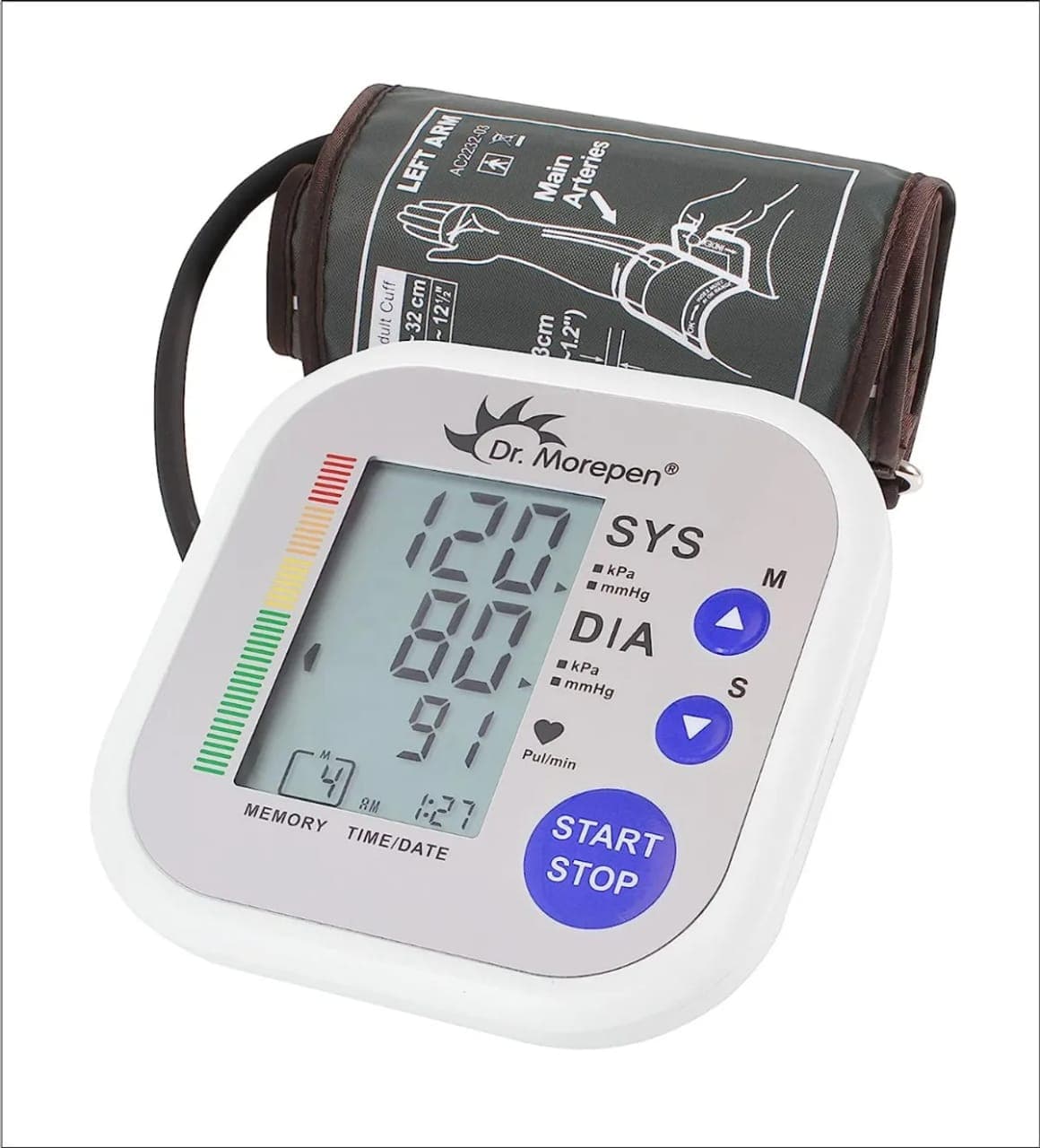
BP MONITOR DIGITAL
Sphygmomanometer: The formal medical name for the BP monitor., Inflatable Cuff: Wraps around the arm...
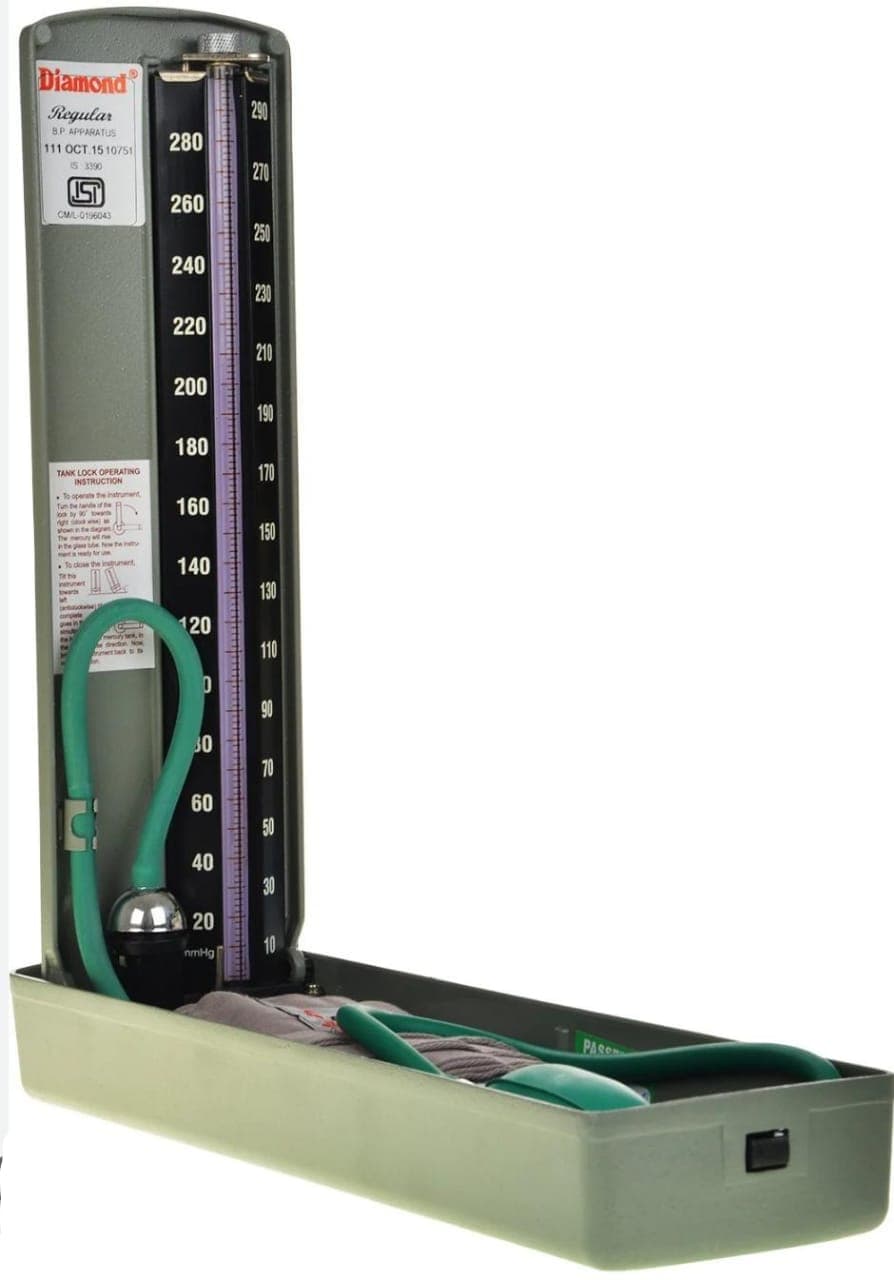
BP APPARATUS
Medical Terms for Apparatus Components A manual sphygmomanometer typically includes the following pa...
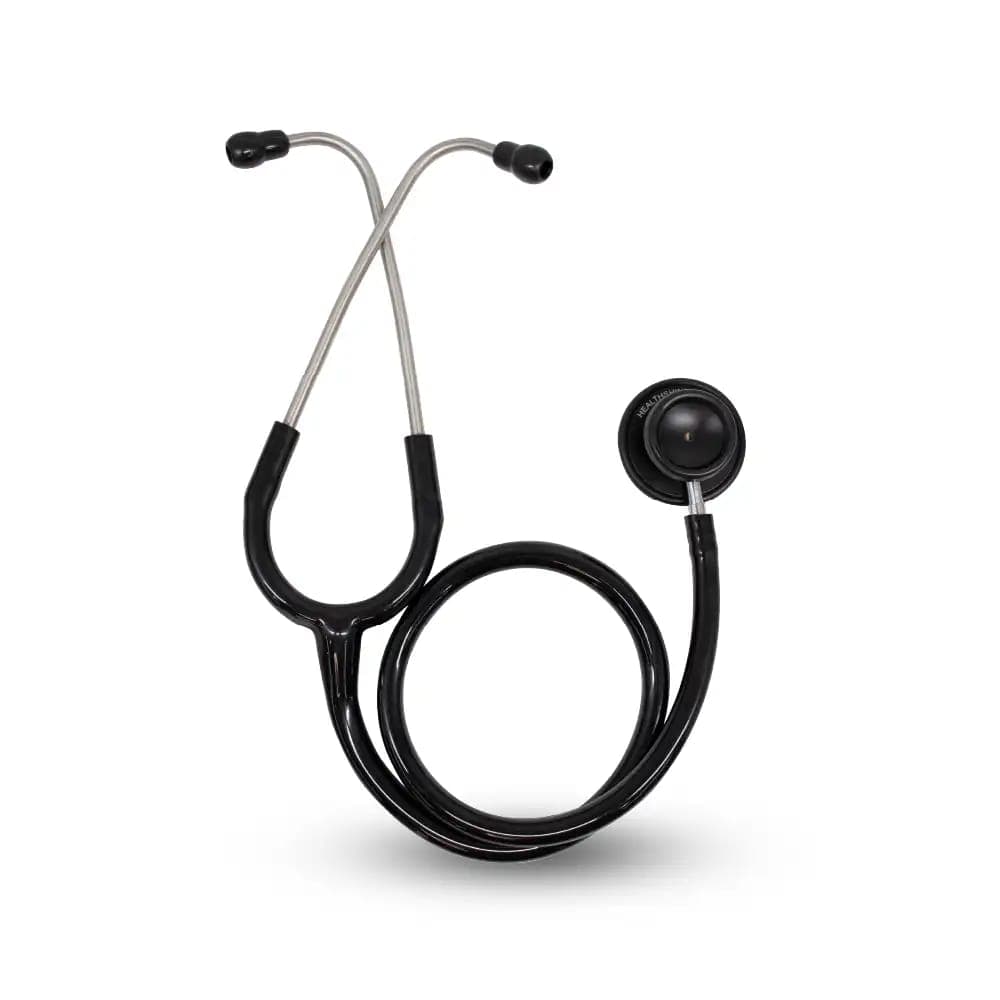
STETHOSCOPE
Frequency Range: Stethoscopes are optimized to capture specific frequencies relevant to body sounds....