ISO 9001
CE Certified
Make In India
Technical Specifications
| Particle Size (MMAD) | The Mass Median Aerodynamic Diameter is the single most useful parameter in predicting where in the respiratory tract the aerosol droplets will deposit. |
| Optimal Range | Generally, particles between 1 and 5 micrometers (µm) are ideal for deposition in the lower airways and alveoli. |
| Deposition | Larger droplets (>5 µm) tend to deposit in the mouth and throat, while very fine particles (<0.5 µm) are often exhaled. |
| Flow Rate | The speed at which gas (air or oxygen) is pushed through the system, measured in Liters per minute (L/min). Higher flow rates generally result in smaller particles but can also affect nebulization time. |
| Nebulization Rate/Aerosol Output Rate | The speed at which liquid medication is converted into an inhalable mist, typically measured in mL/min. A higher rate means shorter treatment times. |
| Residual Volume | The amount of medication left in the nebulizer cup after the treatment is complete. Lower residual volumes indicate higher efficiency. |
| Power Source | Nebulizers can be powered by an AC electrical outlet, DC car adapter, or rechargeable batteries for portable use. |
| Noise Level | Measured in decibels (dB), this varies significantly by type. Jet nebulizers are typically louder (~60 dB) than silent mesh or ultrasonic models |
Similar Products
View all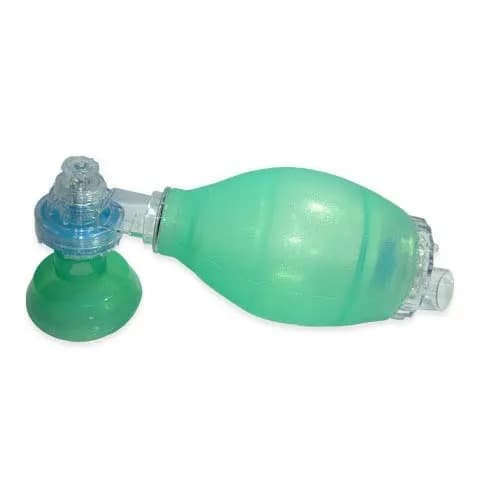
AMBU BAG
The Ambu bag, or bag valve mask (BVM), is a handheld manual resuscitator used to provide positive pr...
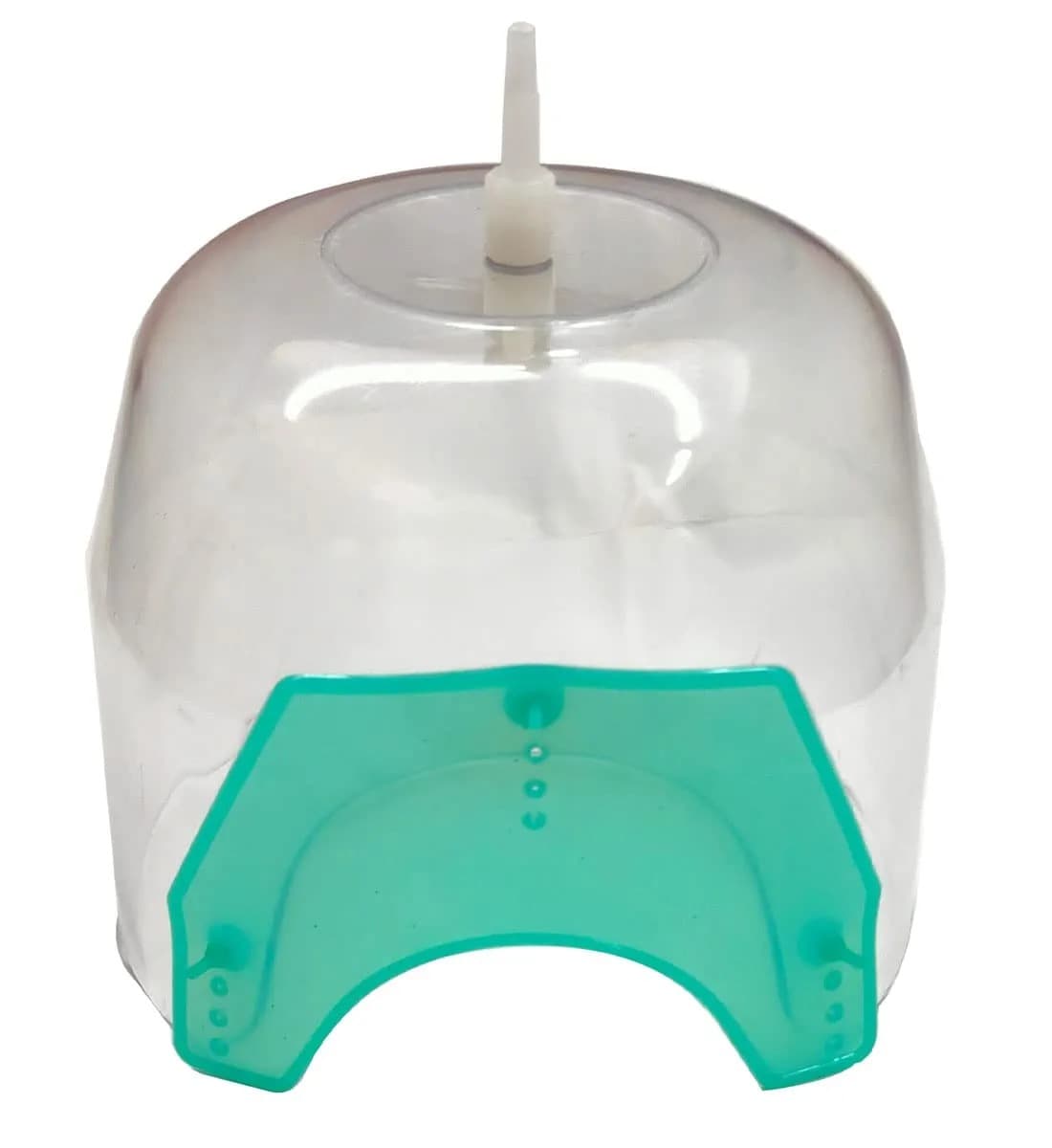
OXYGEN HOOD
An oxygen hood (also known as a head box) is a non-invasive medical device used primarily in neonata...
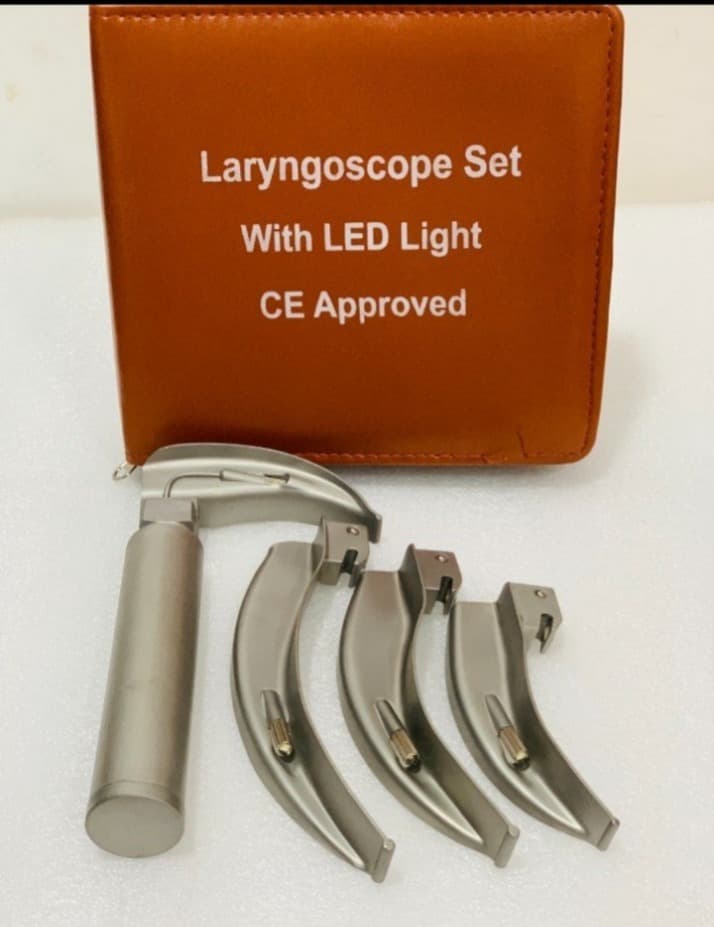
LARYNGOSCOPE
A laryngoscope is a medical instrument used to obtain a view of the larynx (voice box) and vocal cor...