ISO 9001
CE Certified
Make In India
Features
- Trays come in various designs to suit different sterilization needs:
Technical Specifications
| Material | Most trays are made from high-grade austenitic stainless steel (e.g., 304 or 316 grade), often with a fine satin finish to reduce glare. Other materials like aluminum or specific polymers may also be used. |
| Design | They typically feature a seamless, jointless construction with rounded corners and smooth surfaces to facilitate easy and thorough cleaning and prevent damage to delicate instruments or injury to users. |
| Durability | They are reusable and designed for a long lifespan, able to endure repeated high-temperature sterilization cycles. |
| Solid Trays | Standard, flat trays that may come with a cover. |
| Perforated Trays | Feature holes to allow for better airflow and steam penetration during autoclaving. |
| Wire Mesh Trays | Constructed from wire mesh, offering the most efficient air removal and steam penetration, making them ideal for all types of loads (solid, hollow, porous) during sterilization. |
| Divider Trays | Include molded positions or pockets to sort specific instruments like scalpels or forceps, preventing them from moving and becoming damaged during reprocessing. |
| Size | Available in many different sizes (e.g., from small dental trays to large surgical sets) to accommodate varying quantities of instruments. |
| Covers | Often supplied with a cover, which may lock into place to prevent contamination after sterilization. |
| Compatibility | They must be compatible with standard sterilization methods, primarily steam sterilization (autoclaving) at temperatures like 121–134°C, or dry heat sterilization at 160–170℃. |
Similar Products
View all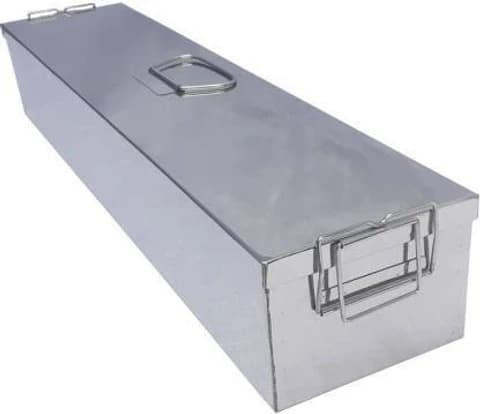
CIDEX TRAY
A CIDEX tray is a specialized, durable, and chemical-resistant container system used in healthcare f...
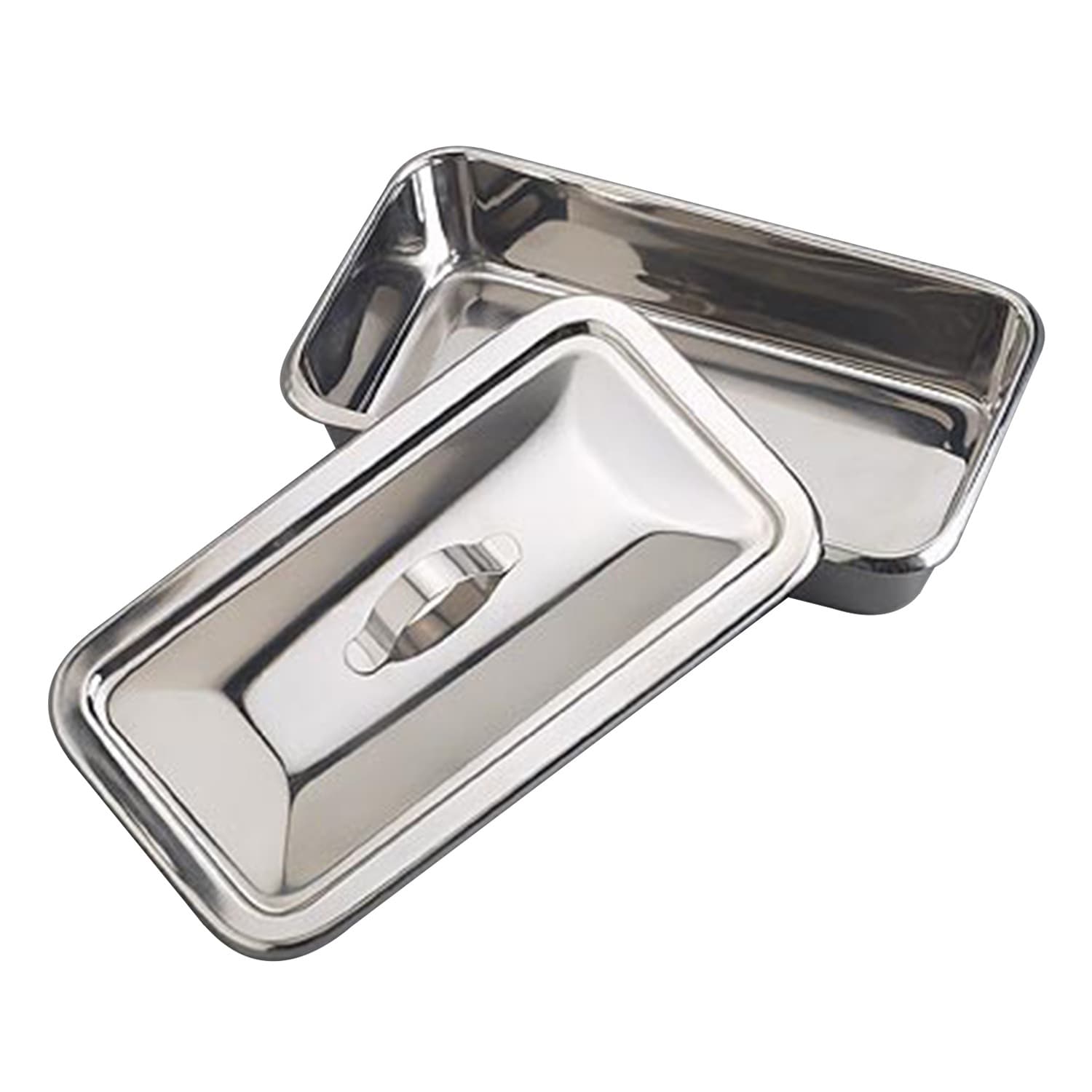
CATHETER TRAY
A catheter tray is a pre: packaged, sterile kit containing the necessary instruments and supplies to...
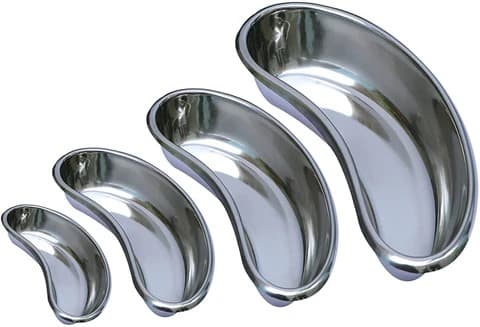
KIDNEY TRAY
A kidney tray is a shallow, kidney: shaped medical container designed to hold surgical instruments, ...